Physical Appearance:
Plant: Tall, resembling corn, typically growing between 0.6 to 4 meters (2 to 13 feet) tall.
Leaves: Long and broad, similar to maize.
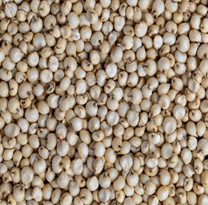
Grain: Small, round seeds that can be white, red, yellow, brown, or black.
Varieties:
Grain Sorghum: Primarily grown for its edible seeds.
Sweet Sorghum: Cultivated for its sweet juice, which is used to produce syrup and biofuel.
Forage Sorghum: Used as animal feed.
Broomcorn: Used for making brooms.
Uses and Applications
Culinary:
Grain: Used as a staple food in many parts of Africa and Asia.
Flour: Ground into flour for baking gluten-free products like bread, cakes, and cookies.
Syrup: Sweet sorghum syrup is used as a sweetener.
Popped Sorghum: Similar to popcorn, it can be popped for a snack.
Industrial:
Biofuel: Used in the production of ethanol and other biofuels.
Industrial Products: Used in making adhesives, paper, and building materials.
Animal Feed:
Fodder: The whole plant is used as fodder for livestock.
Sorghum is a highly versatile crop that serves as a vital food source, animal feed, and industrial raw material. Its adaptability to harsh climates and nutritional benefits makes it an important staple in many parts of the world.
Specification:
Moisture Content: 12-14% Max
Purity: Minimum 99%
Foreign Matter: Maximum 1%
Broken Kernels: Maximum 2%
Damaged Kernels: Maximum 2%
Other Colored Grains: Maximum 2%
Weevilled Grains: Maximum 1%
Immature and Shriveled Kernels: Maximum 1%