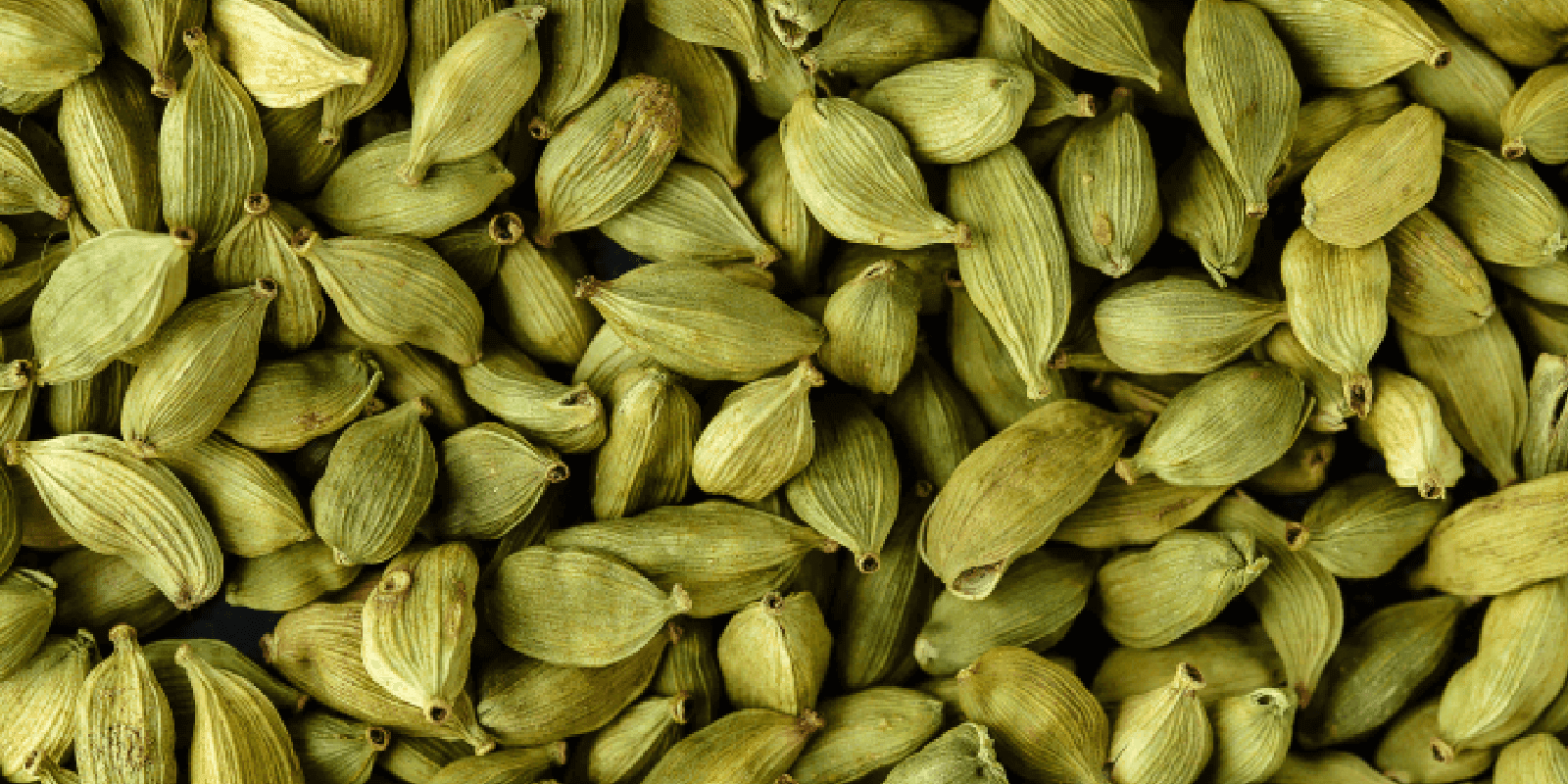
Types of Cardamom
Green Cardamom (Elettaria cardamomum): Also known as true cardamom.
Commonly used in sweet and savory dishes, as well as in beverages like tea and coffee.
Has a light green color.
Black Cardamom (Amomum subulatum): Larger pods with a dark brown to black color.
Has a smoky, earthy flavor. Typically used in savory dishes, especially in Indian and Nepali cuisine.
Characteristics
Physical Appearance:
Green Cardamom: Small, spindle-shaped pods, about 1-2 cm long, containing small black seeds.
Black Cardamom: Larger, rough-textured pods, about 2-5 cm long, with dark seeds.
Aroma and Flavor:
Green Cardamom: Sweet, floral, and slightly citrusy.
Black Cardamom: Smoky, earthy, and slightly camphor-like.
Uses and Applications
Culinary:
Spice Blends: Key ingredient in garam masala, curry powders, and other spice blends.
Baking: Used in pastries, cakes, cookies, and bread.
Beverages: Flavors teas, coffees (like Turkish coffee), and spiced beverages.
Savory Dishes: Enhances flavor in rice dishes, stews, and marinades.
Medicinal:
Digestive Aid: Used to relieve indigestion, bloating, and gas.
Breath Freshener: Chewed for fresh breath and oral health.
Anti-inflammatory: Studied for its potential anti-inflammatory properties.
Traditional Medicine: Used in Ayurveda and traditional Chinese medicine for various health benefits.
Industrial:
Perfumery: Used in perfumes and fragrances for its exotic aroma.
Cosmetics: Added to soaps, lotions, and other cosmetic products.
Cardamom is a versatile and aromatic spice with a wide range of culinary, medicinal, and industrial applications. Its distinctive flavor and health benefits make it a valuable ingredient in many dishes and products around the world.