Physical Appearance:
Trunk: Thick and swollen, resembling a bottle, which can store large amounts of water.
Height: Can grow up to 30 meters tall.
Leaves: Palmate leaves with 5-7 leaflets, which are shed during the dry season.
Flowers: Large, white, and fragrant, blooming at night and often pollinated by bats.
Fruit:
Shape: Oval or cylindrical.
Size: Can be up to 25 cm long.
Skin: Hard and woody.
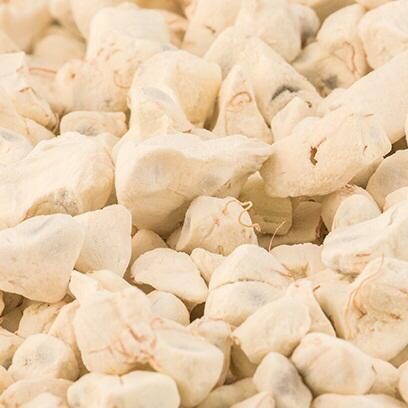
Pulp: Dry, powdery, and tangy, with a high vitamin C content.
Seeds: Embedded in the pulp, covered by a hard shell.
Uses and Applications
Culinary:
Pulp: Used as a natural food supplement, added to smoothies, juices, cereals, and baked goods for its tangy flavor and nutritional benefits.
Seeds: Can be roasted and ground to make a coffee-like beverage or pressed for oil.
Leaves: Used in soups, sauces, and as a vegetable in some African cuisines.
Traditional Medicine:
Anti-inflammatory: Used to treat fevers, inflammation, and gastrointestinal issues.
Antioxidant: High vitamin C content helps boost the immune system.
Hydration: Pulp can be used to make a hydrating drink, especially beneficial in arid regions.
Industrial:
Cosmetics: Baobab oil is used in skincare products for its moisturizing and antioxidant properties.
Textiles: Fibers from the bark can be used to make ropes and cloth.
Baobab is a versatile and nutritionally rich tree that plays a significant role in traditional diets, medicine, and cultures across Africa and other regions where it grows. Its fruit, seeds, and leaves offer numerous health benefits, making it a valuable resource both locally and globally.