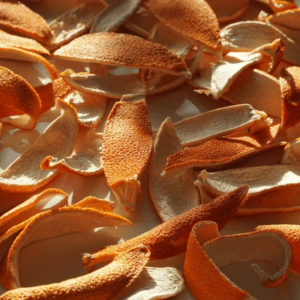
Physical Appearance:
Color: Bright yellow.
Texture: Slightly rough and bumpy.
Thickness: Varies, but generally thin.
Components:
Flavedo: The outer yellow layer, rich in essential oils.
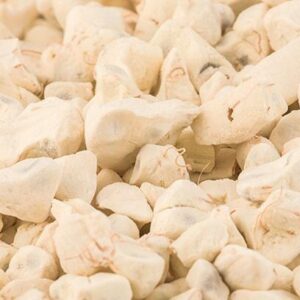
Albedo: The inner white pith, which is bitter and less commonly used in culinary applications.
Uses and Applications
Culinary:
Zest: Finely grated lemon peel used to add flavor to dishes, desserts, and drinks.
Infusions: Used to flavor oils, vinegars, and alcoholic beverages.
Candied Peel: Lemon peel can be boiled in sugar syrup and dried to create a sweet treat.
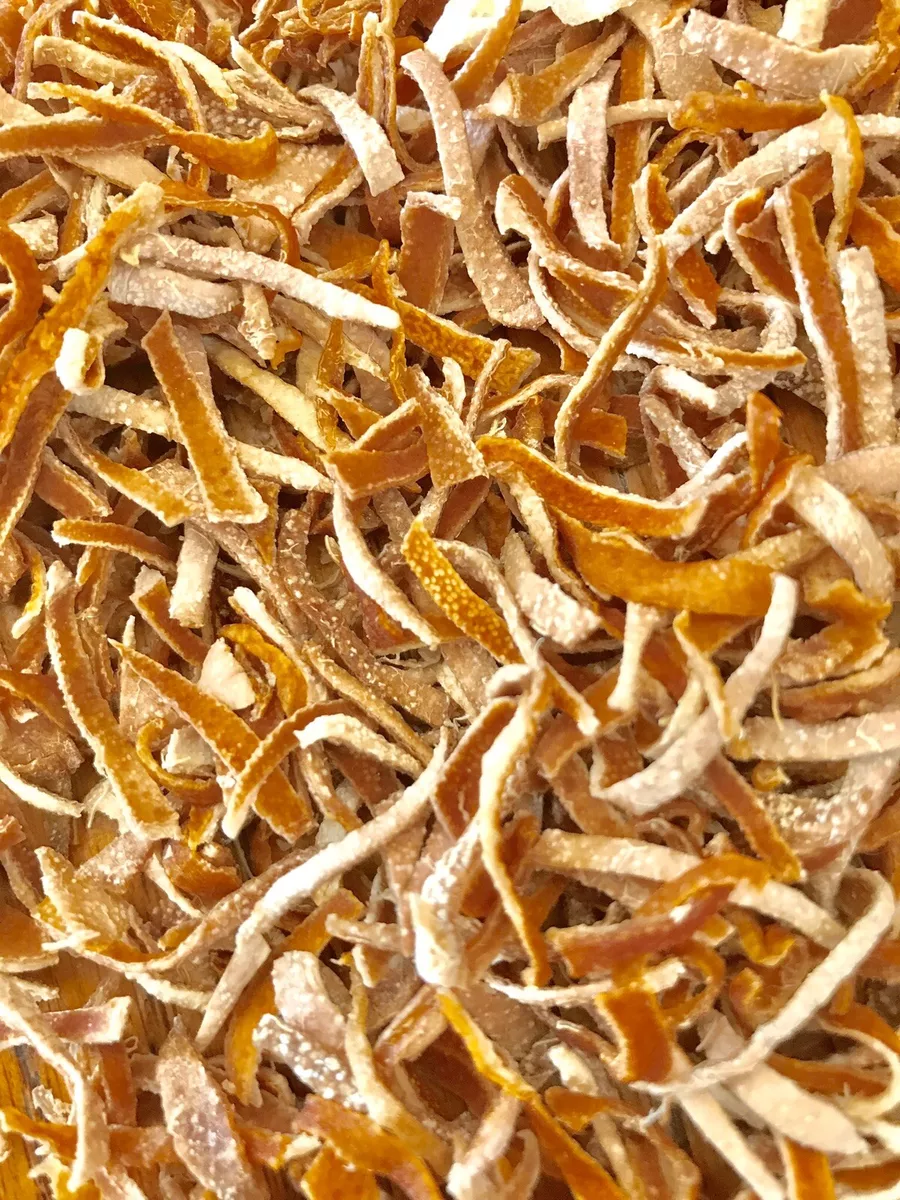
Seasoning: Dried and ground lemon peel can be used as a seasoning in spice blends.
Traditional Medicine:
Digestive Aid: Used to relieve indigestion and bloating.
Detoxification: Believed to help detoxify the body and boost the immune system.
Household Uses:
Cleaning: Lemon peel’s natural oils are effective for cleaning and deodorizing.
Aromatherapy: The essential oils can be used in diffusers for their refreshing scent.
Lemons are typically harvested when they are fully ripe and yellow.
Processing:
Peeling: The peel is carefully removed from the lemon, avoiding the bitter white pith.
Drying: The peel can be dried for preservation and later use.
Zesting: The peel is finely grated to produce zest.
Lemon peel is a versatile ingredient prized for its intense citrus flavor and aromatic qualities. It adds a burst of freshness to a variety of culinary dishes and has several health benefits due to its high vitamin C and antioxidant content.