
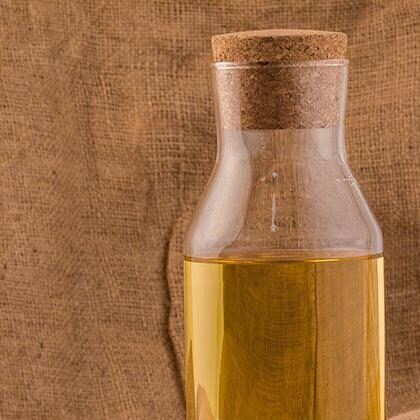
Physical Appearance:
Color: Light yellow to golden.
Texture: Smooth and liquid at room temperature.
Aroma: Mild, with a subtle nutty scent.
Types:
Refined Peanut Oil: Neutral flavor, used for high-heat cooking.
Unrefined Peanut Oil: Stronger peanut flavor, used in dressings and low-heat applications.
Roasted Peanut Oil: Intense peanut flavor, typically used as a finishing oil.
Uses and Applications
Culinary:
Cooking and Frying: Ideal for high-heat cooking methods such as frying, sautéing, and grilling due to its high smoke point (~450°F or 232°C).
Salad Dressings: Unrefined peanut oil can be used in dressings and marinades for its rich flavor.
Baking: Used in baking recipes for cakes, cookies, and pastries.
Industrial:
Margarine and Shortening: Used in the production of margarine and shortening due to its stable properties.
Cosmetics and Pharmaceuticals: Included in skincare products, ointments, and medications for its moisturizing and emollient properties.
Traditional Medicine:
Massage Oil: Used in massages for its moisturizing and skin-soothing properties.
Aromatherapy: Sometimes used in aromatherapy blends.
Extraction and Processing
Harvesting: Peanuts are harvested, shelled, and cleaned before oil extraction.
Extraction Methods:
Cold Pressed: Oil is extracted without heat, preserving more nutrients and flavor.
Expeller Pressed: Mechanical pressing of peanuts to extract oil.
Solvent Extraction: Uses solvents to extract oil, followed by refining to remove residues.
Refining:
Refining Process: Involves degumming, neutralization, bleaching, and deodorization to produce refined peanut oil.
Groundnut oil is a versatile and widely used cooking oil known for its mild flavor, high smoke point, and nutritional benefits. It plays a significant role in culinary applications and offers various health benefits due to its favorable fat composition and antioxidant content.

