Physical Appearance:
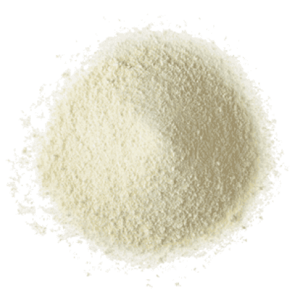
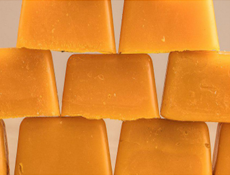
Color: Ranges from yellow to brown; can be white if bleached.
Texture: Solid at room temperature; becomes pliable when warm.
Odor: Pleasant, honey-like scent.
Forms:
Blocks: Solid blocks of various sizes.
Pellets/Granules: Small, easy-to-melt pieces.
Sheets: Thin, rolled sheets often used for candle making.
Uses and Applications
Cosmetics and Personal Care:
Moisturizers and Creams: Acts as an emollient and thickening agent.
Lip Balms: Provides a protective barrier on the lips.
Lotions and Soaps: Adds texture and hydration.
Food Industry:
Cheese Coating: Used to seal and protect cheese.
Food Wraps: Beeswax-coated cloth used as a reusable alternative to plastic wrap.
Glazing Agent: Used in some candies and fruits to give a shiny appearance.
Industrial:
Polishes: Used in furniture and shoe polishes.
Lubricants: Provides lubrication for tools and machinery.
Waterproofing: Used in products to make them water-resistant.
Candle Making: Burns longer and cleaner than paraffin candles, with a pleasant, natural scent.
Pharmaceuticals: Used as a base ingredient in medicinal products.
Quality Parameters
Color: Should be uniform and consistent.
Purity: Free from impurities and adulterants.
Odor: Should have a natural, pleasant honey scent without any off-odors.
Texture: Should be smooth and pliable when warm.
Harvesting and Processing
Harvesting:
Beeswax is collected by removing the honeycombs from the hive.
The honeycomb is melted and strained to separate the wax from impurities.
Processing:
Cleaning: The wax is cleaned to remove any residual honey or debris.
Refining: Further refined to achieve the desired purity and color.
Molding: Poured into molds to form blocks, pellets, or sheets.
Beeswax is a versatile and valuable natural product with a wide range of applications across different industries. Its unique properties and pleasant scent make it a preferred choice for many cosmetics, food, and industrial uses.