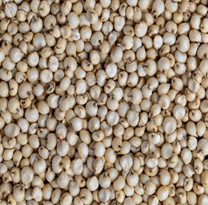
Physical Appearance:
Plant: Tall annual grass, typically growing 1-3 meters (3-10 feet) tall.
Leaves: Broad, long, and pointed.
Ears: Cob-like structure with rows of kernels.
Kernels: Can be yellow, white, red, blue, or multicolored.
Varieties:
Dent Corn: Used for livestock feed, processed food products, and industrial products.
Flint Corn: Hard kernels, used for food and decoration.
Sweet Corn: Consumed as a vegetable.
Popcorn: Kernels that pop when heated.
Flour Corn: Soft starch kernels, used for corn flour.
Uses and Applications
Culinary:
Staple Food: Used as a primary food source in many cultures.
Cornmeal and Flour: Used in baking and cooking.
Sweet Corn: Consumed fresh, canned, or frozen.
Corn Syrup and Sugar: Sweeteners used in various food products.
Snacks: Popcorn and corn chips.
Industrial:
Biofuel: Used to produce ethanol.
Starch: Used in food processing, paper manufacturing, and as a biodegradable plastic.
Alcohol: Fermented to produce alcoholic beverages like bourbon.
Animal Feed:
Fodder: Whole plant is used as silage.
Grain: Ground or cracked for livestock feed.
Maize is a highly versatile and important crop with a wide range of uses in food, industry, and animal feed. Its nutritional benefits, adaptability to various climates, and economic significance make it a key agricultural commodity worldwide.
Specification:
Moisture Content: Maximum 14%
Purity: Minimum 99%
Foreign Matter: Maximum 1%
Broken Kernels: Maximum 3%
Damaged Kernels: Maximum 3%
Weevilled Grains: Maximum 1%
Immature and Shriveled Kernels: Maximum 2%