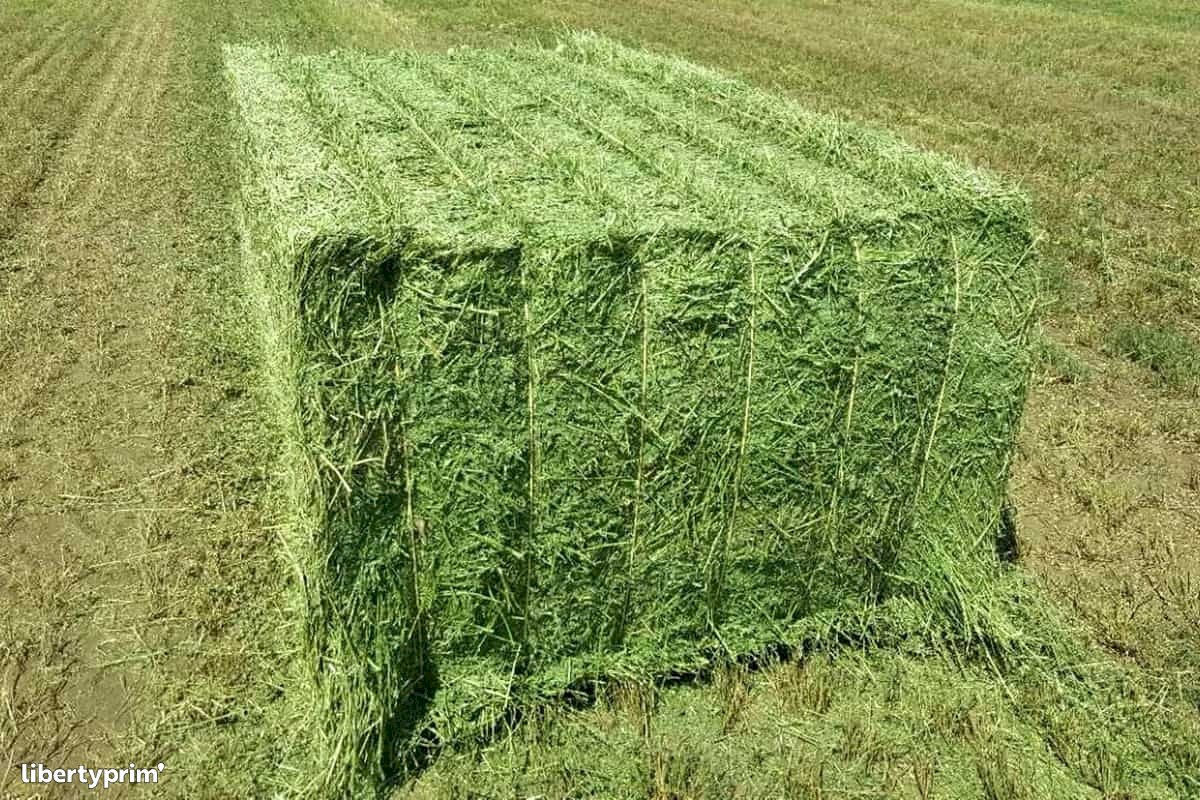
Rhodes Grass, scientifically known as Chloris gayana, is a tropical grass species widely cultivated for hay and pasture. Known for its drought tolerance and high productivity, it is a key forage crop in arid and semi-arid regions, particularly across Africa, Asia, and Australia.
Botanical Classification:
Rhodes Grass belongs to the Chloris genus, with the botanical name Chloris gayana. It is a perennial grass that can be grown as an annual in cooler climates. It is commonly used for grazing, hay, and silage due to its rapid regrowth and nutritional profile.
Cultivation:
Rhodes Grass thrives in tropical and subtropical climates. It prefers well-drained soils and full sun exposure. The grass is highly adaptable and can grow in a wide range of soil types, including sandy and moderately saline soils. It establishes quickly and suppresses weeds effectively, making it ideal for both small and large-scale fodder production.
Uses in Agriculture:
-
Animal Fodder: Highly palatable and digestible, Rhodes Grass is a primary source of forage for cattle, sheep, goats, and horses.
-
Soil Erosion Control: Its deep-rooted structure helps in stabilizing soil and preventing erosion.
-
Hay Production: It is commonly harvested and dried for hay, especially in areas with dry seasons.
By-products and Benefits:
-
Crude Protein Source: Supports livestock nutrition, especially in regions with limited access to high-quality feed.
-
Low Maintenance Crop: Requires minimal inputs once established and recovers quickly after grazing or cutting.
Specification:
-
Color: Green
-
Moisture Content: 10 – 11% Max
-
Crude Protein: 9.2% Min
-
Admixture: 0.0% (None)
-
Crude Fibre: 42.5% Max