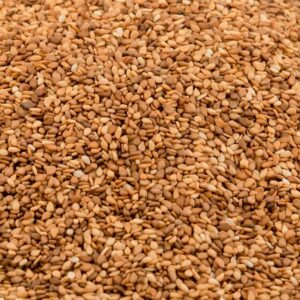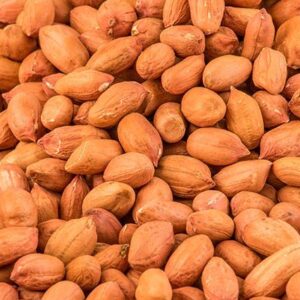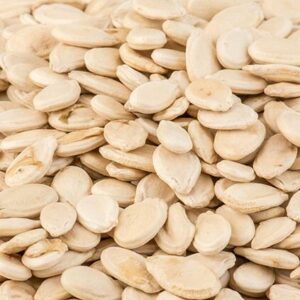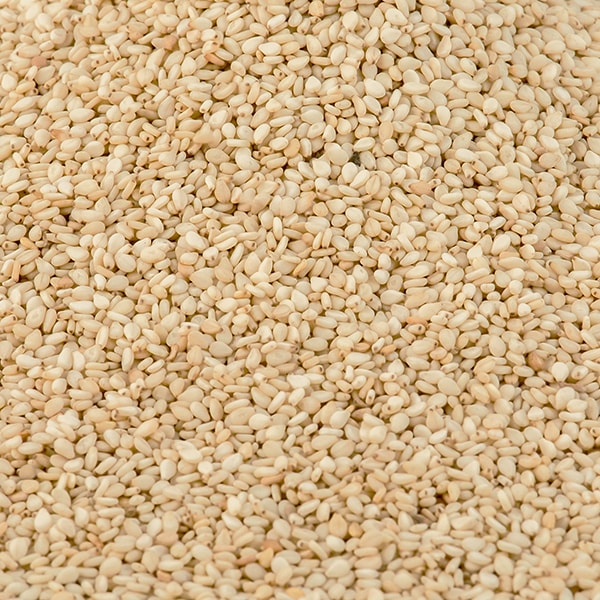
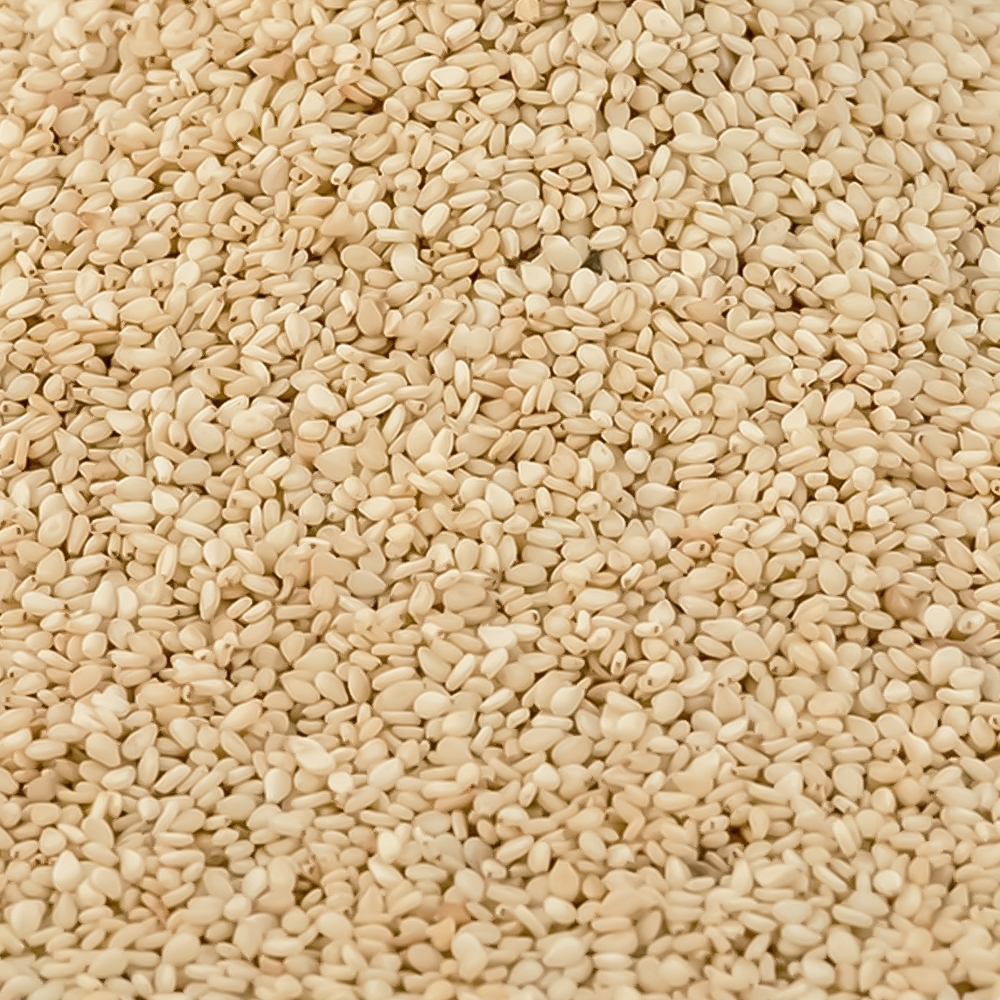
Varieties: Sesame seeds come in several varieties, including White, Black, Red, Hulled Sesame, & Roasted Sesame each with its own distinct flavor and use. White sesame seeds are the most common and are often used in baking and cooking. Black sesame seeds have a stronger flavor and are used in Asian cuisine. Red sesame seeds are less common and are also used for their unique flavor and color. Sesame seeds have a mild, nutty flavor that becomes more pronounced when they are toasted.
Culinary Uses:
Topping: Sesame seeds are often used as a topping for bread, rolls, and crackers.
Cooking: They are used in a variety of cuisines around the world, including Middle Eastern, Asian, and African dishes. Common uses include sprinkling over salads, stir-fries, and sushi.
Tahini: Ground sesame seeds are made into tahini, a paste used in hummus, sauces, and dressings.
Oil: Sesame seeds are pressed to extract sesame oil, which is used for cooking and as a flavoring in dishes. Sesame oil is also known for its high smoke point and rich flavor.
Health Benefits: Consuming sesame seeds can offer several health benefits, including supporting heart health, improving digestion, reducing inflammation, and providing essential nutrients for bone health.
Specification:
Oil Content: 48-52%
Impurities: 1%
F.F.A: 2%
Moisture Content: 8%
Other colors: 2%